
Recently, I replaced my home cinema projector which had reached the end of its life. I have also been writing my “My Computing History” article and this got me thinking about the progression of home cinema projectors I have owned in the last 20-odd years. This article is the result.
Background
We moved into our house in 2003. It was a new build and I made sure the electricians wired the living room for a home cinema setup. This comprised proper speaker wire to 4 corners, power and video connection to the ceiling mount, and network points where the video source would be - in the cabinet under the screen. The projector is mounted on the ceiling and we sit about 3m from the screen - which is just a nicely painted wall. The screen is approximately 90 inches diagonal.
So here is the list of projectors that we have gone through over the years, followed by some observations.
Panasonic PT-AE100
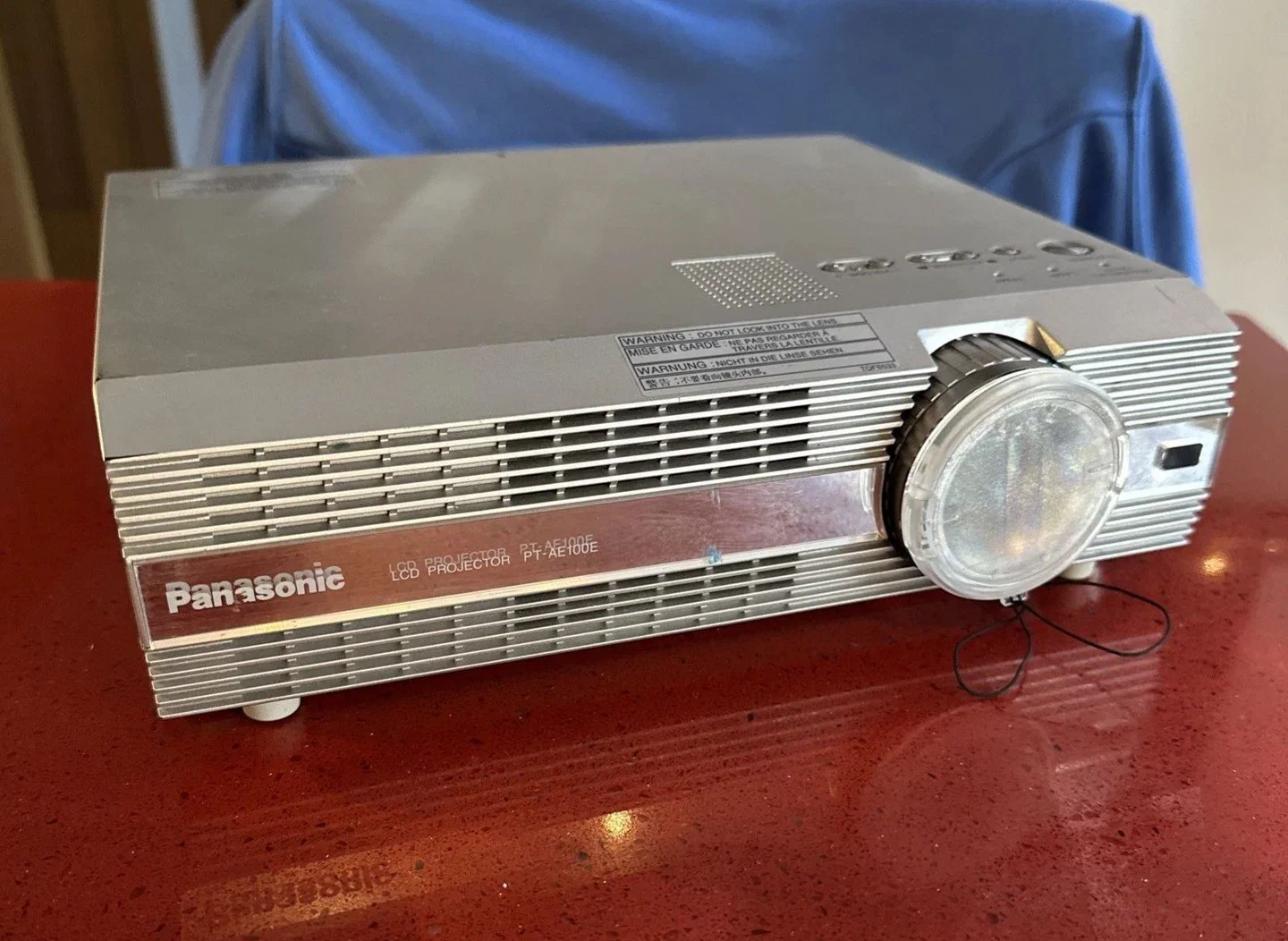
- Resolution: WVGA (858 × 484)
- Brightness: 700 ANSI lumens
- Contrast Ratio: 500:1
- Lamp Life: Up to 5,000 hours (low-power mode)
- Connectivity: VGA (15 pin), Composite (RCA), S-Video, Component — predates HDMI/DVI
- Display Technology: 3-chip 3LCD
Bought in 2003 - Now legendary as one of the first widescreen home projectors. The only projector I have owned with clearly visible “Screen Door”
Optoma HD65
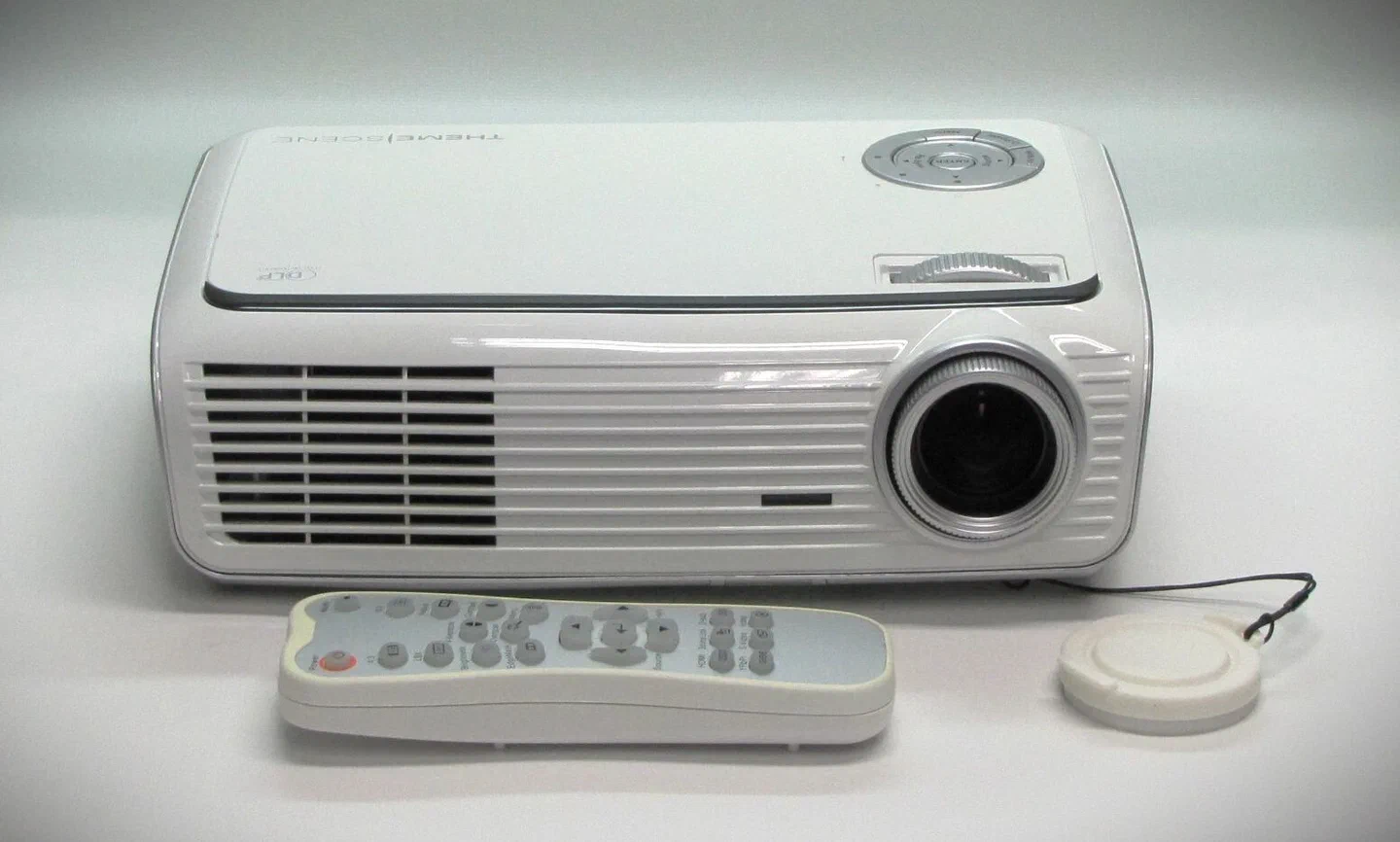
- Resolution: 1,280 × 720 (720p, HD Ready)
- Brightness: 1,600 ANSI lumens
- Contrast Ratio: 4,000:1
- Lamp Life: Up to 3,000 hours (eco mode)
- Connectivity: HDMI (v1.3), VGA, Component, S-Video, Composite
- Display Technology: Single-chip DLP (Texas Instruments), 0.62″ DarkChip2 DMD
Bought in 2008 - A big leap in brightness with this one. Also, first one with HDMI.
Optoma HD27
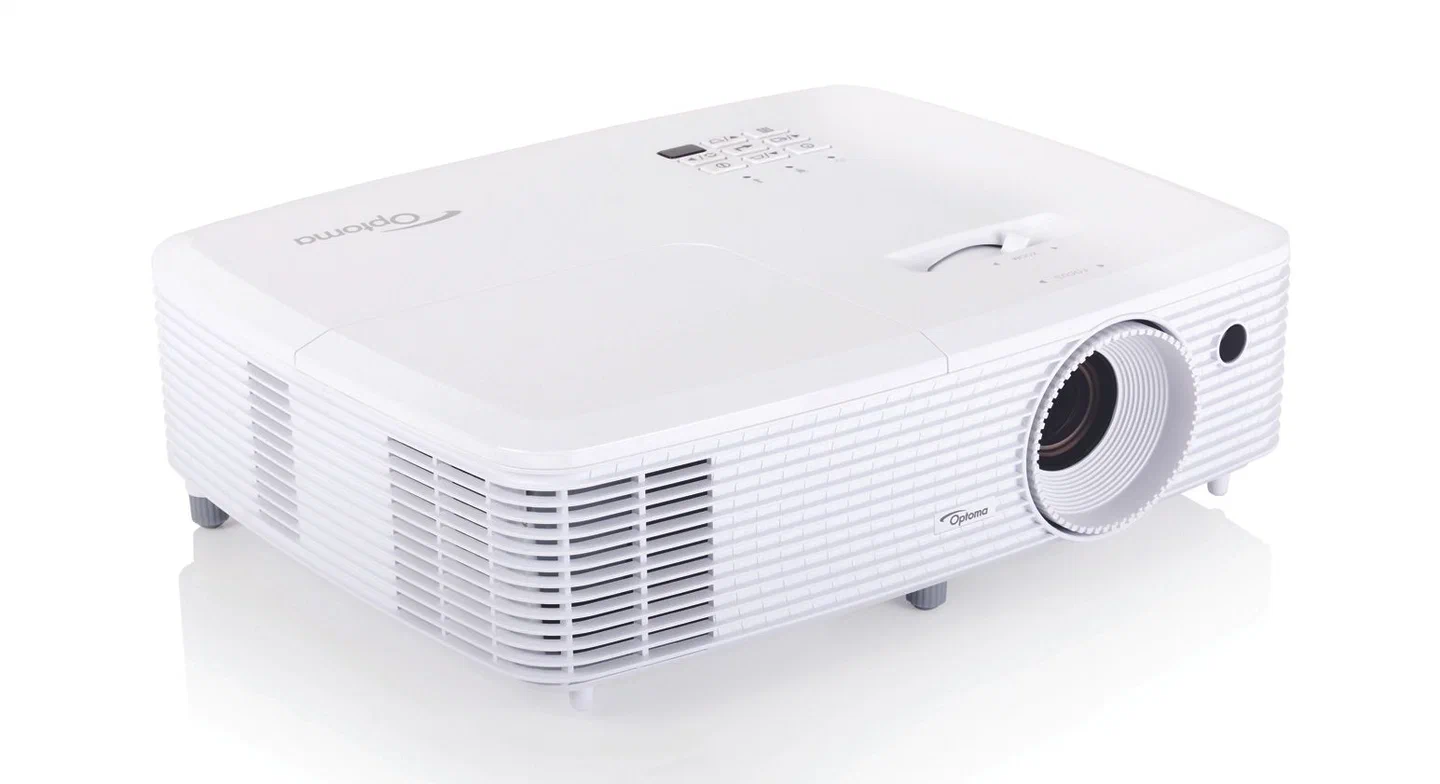
- Resolution: 1,920 × 1,080 (1080p)
- Brightness: 3,200 ANSI lumens
- Contrast Ratio: 25,000:1
- Lamp Life: 8,000 / 6,000 / 5,000 hours (Dynamic / Eco / Bright)
- Connectivity: HDMI v1.4a
- Display Technology: Single-chip DLP (Texas Instruments), 0.65″ DC3 DMD
Bought in 2017 - Finally get to 1080p which made a huge difference to viewing enjoyment. Again brighter as well.
BenQ TK710
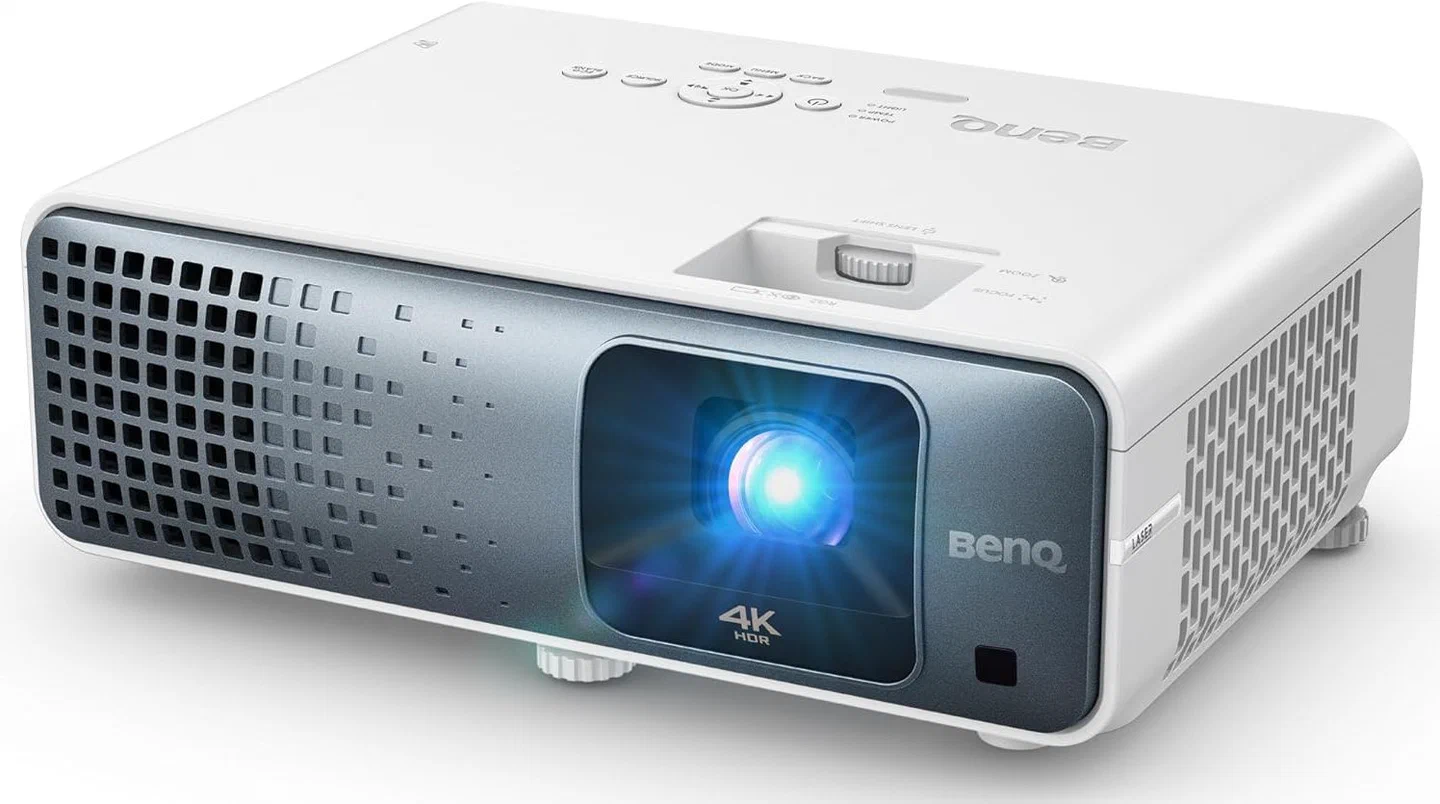
- Resolution: 4K UHD (3,840 × 2,160)
- Brightness: 3,200 ANSI lumens
- Contrast Ratio: 600,000:1 (FOFO, with light-source dimming)
- Lamp Life: 20,000 hours (LED light source)
- Connectivity: HDMI (2.0b / HDCP 2.2)
- Display Technology: Single-chip DLP (Texas Instruments), 0.47″ DMD with XPR pixel-shift, 4LED light source
Bought in 2026 - Huge change - brightness, 4K, quietness, warranty. Lamp life is 4x HD27 although this is the first projector with a light source that cannot be changed by the user.
Observations
This article is essentially about change, the rise and improvement of technology and not staying still - the need to constantly improve and the benefits when you do.
Looking back over the four projectors, the march of resolution is the clearest part of the story — from a sub-megapixel WVGA panel in 2003 to today’s 4K UHD.
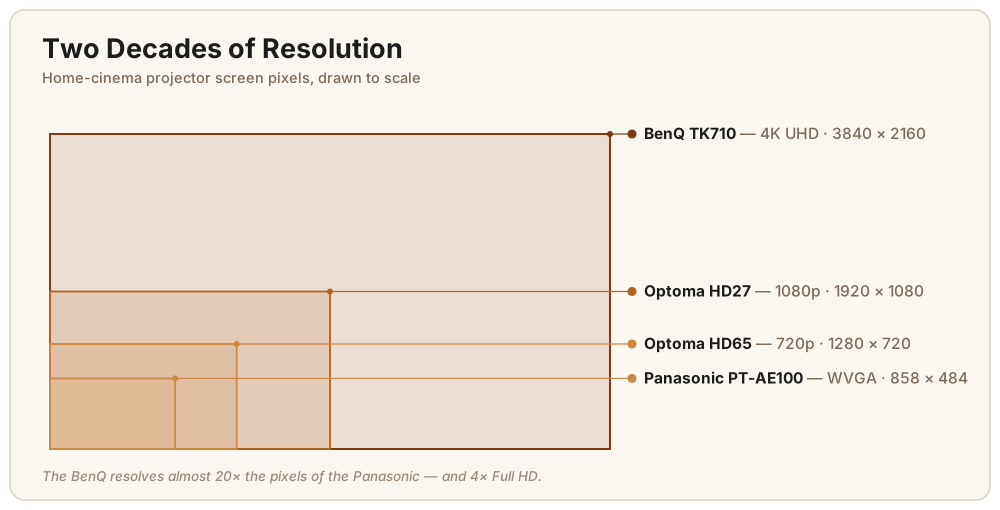
Second to resolution is the increase in brightness. The Panasonic had to be used in a completely dark room! It is interesting that the quoted brightness of the last two projectors has been the same but the latest projector looks much brighter than the outgoing HD27 ever was. Lamp life is now considerably longer as well, especially as the latest projector has moved away from traditional bulbs.
Connectivity has changed drastically as well. The original connection was a VGA analogue connection. I had the electricians route 2 CAT 5e network cables between the cabinet and the projector. One of these was enough to run the VGA signal and luckily it worked over the 4-5m of travel. For the HD65 I had to have HDMI to Ethernet to HDMI adaptors. These were powered at each end and had all sorts of issues but mostly worked. I replaced the network cables and adaptors with a Fibre Optic HDMI cable from Lightoptics when we decorated the room a few years ago.
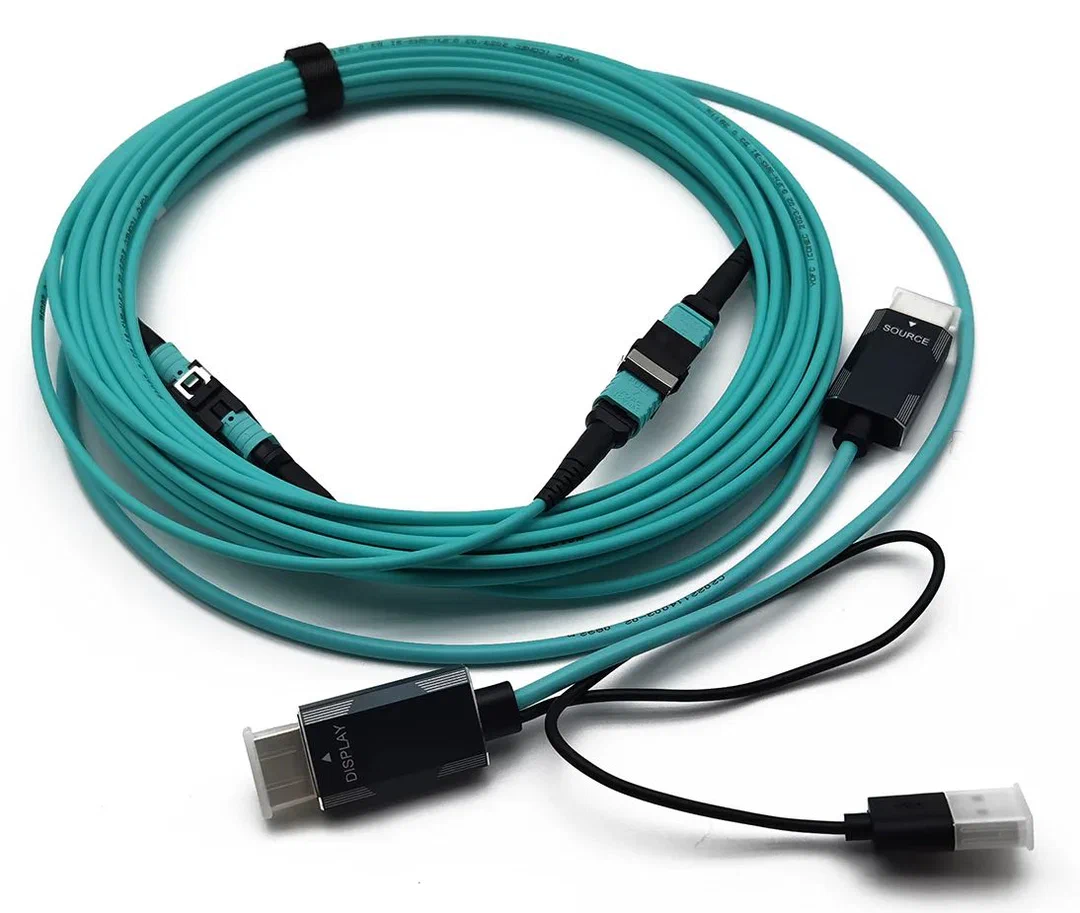
This should be future-proof as the adaptors can be removed from the cable and replaced with even more capable ones. I think 8K will see me out though.
One thing I have learned over the last 20 years is that projectors do not last. Each ‘retirement’ has been because of failure. Projectors run very hot, they have moving parts and are made to a price (at least the ones I can afford). The Panasonic developed a discolouration caused by heat damaging the LCD screens. The HD65 had a noisy fan that was so buried in the unit it was uneconomical to replace. The HD27 had a colour wheel timing problem that I couldn’t do anything about despite having previously replaced colour wheels in both the Optoma machines.
Another part of the story is the Source - where the signal came from. This has also changed drastically over the years. Maybe another Article?
Conclusion
Having a home cinema has been a great experience over the years and it just keeps getting better! It is more work than just plugging in a telly but the result is worth it.