
What is this?
I wondered if I could remember and document my personal journey with computing-related technology over the years. This is the (as yet) unfinished result.
Beginnings
A teletype like this one was the first time I used a computer. It was installed in a room the size of a toilet cubicle at my secondary school. It was connected via a 300 baud modem the size of a fridge to Birmingham City Council Treasury Department’s ICL mainframe. BASIC code was typed in a line at a time and could be run immediately with the results being magically typed out. My first program took 7 numbers and printed the average. Everyone has to start somewhere.
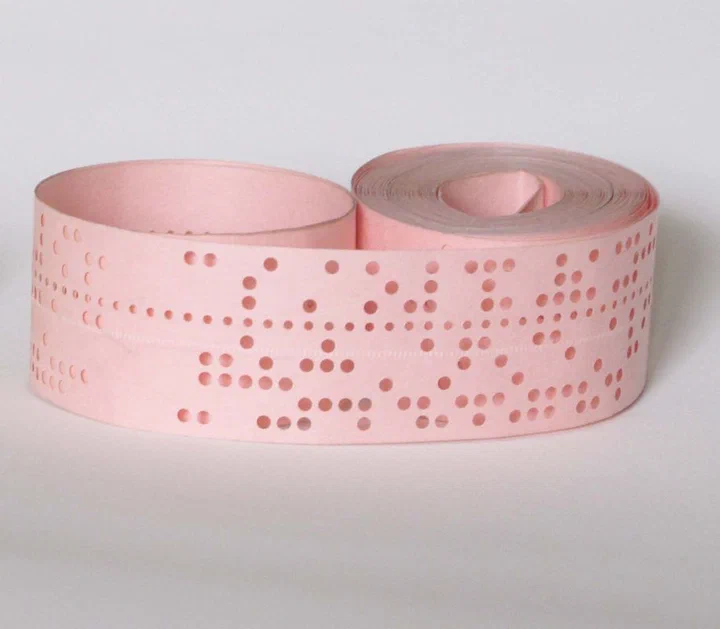
There was a small amount of storage allocated for saving the programs but, eventually, the paper tape punch was used to archive our best work.
I chose my Secondary school because I had heard they had a computer and I was somehow interested in computers. I had to suffer the lower 2 years before I got anywhere near it. No one had a home computer at this time. By the time I started O-Level in Computer Studies, the Apple II, PET and TRS-80 had just appeared. No-one I knew had one.
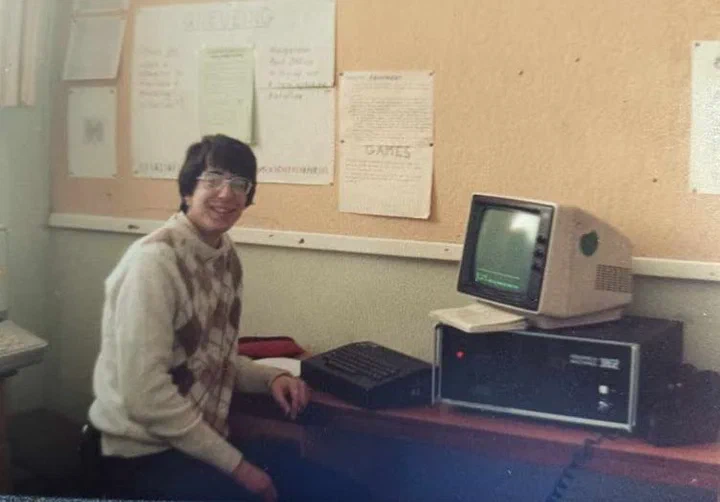
The closest I got to the holy trinity was an RML-380Z which the Government subsidised for Schools and Colleges. This was the first microcomputer I ever used. That isn’t me in the picture - I struggled to find a representative picture of the one we had - which did not have floppy drives only a cassette player! £1000 in 1979.
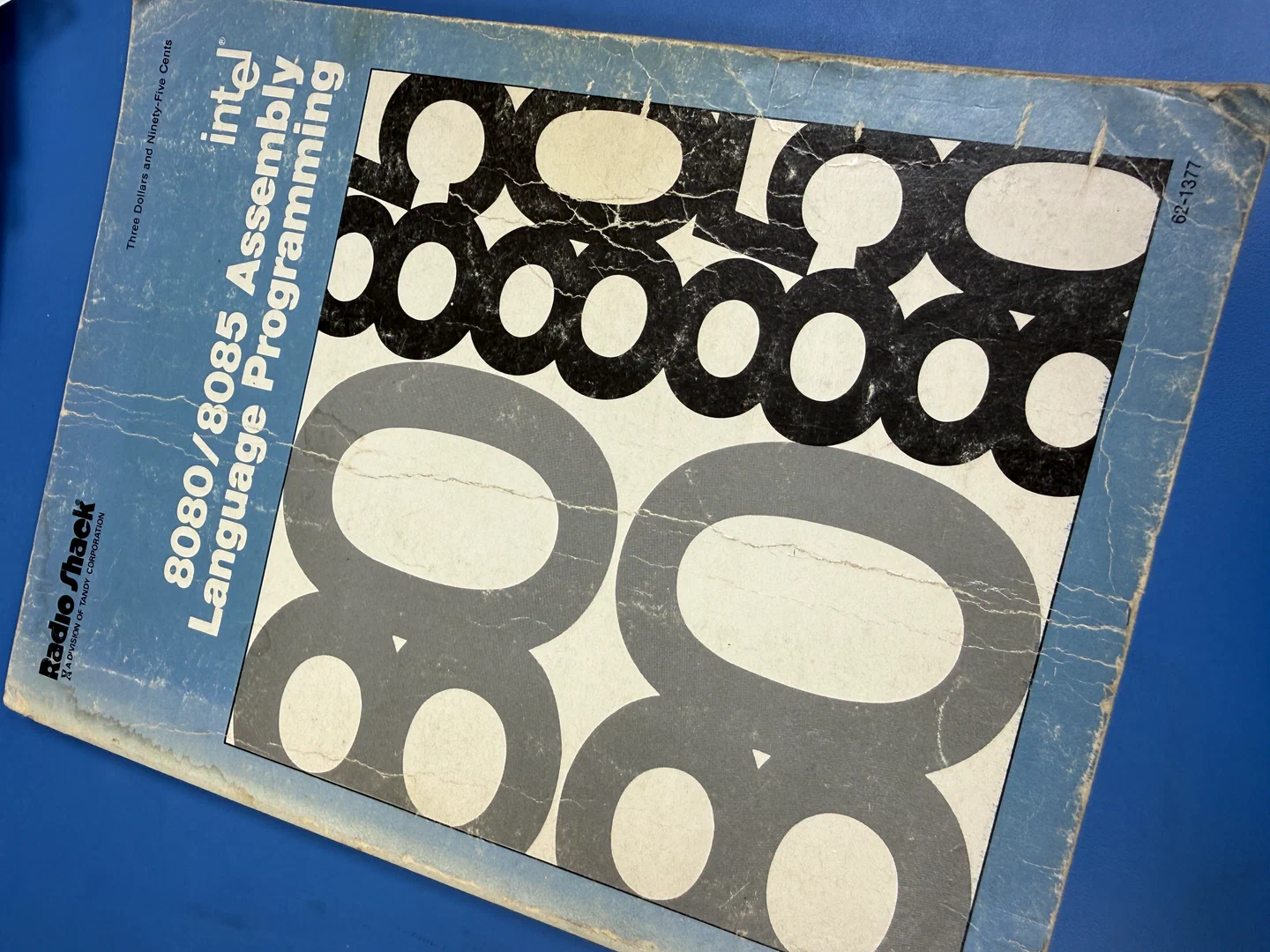
Things really took off for me with the 380Z - very few of my fellows wanted much to do with it - it didn’t really do anything as far as they were concerned. I got a lot of time on the machine instead of time-sharing the teletype. I taught myself assembly programming using this book (I still have it). The RML-380Z has a Z80 processor which was a superset of the 8080. I couldn’t get a book about the Z80. Click the picture to see the whole book, now nearly 50 years old.
I wrote an assembler which, of course, I had to assemble by hand. Then I used the assembler to write a game: Noughts and Crosses. I think that was my O-Level project but I may be mistaken. The game always forced a draw - it was unbeatable. No one who played it liked that and I learnt an early valuable lesson about user engagement.
My First Computer
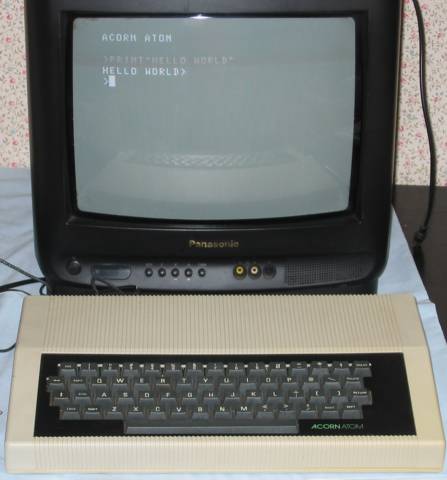
After O-Levels I went up to 6th form. I obviously chose to take A-Level Computer Science and by this time home computers were really taking off. I wanted one very much but couldn’t afford most of the big names. Luckily, the Acorn Atom appeared in 1980 and, in kit form, was just about affordable. I had to put my paper-round money in and have a combined birthday and Christmas present and build it myself!
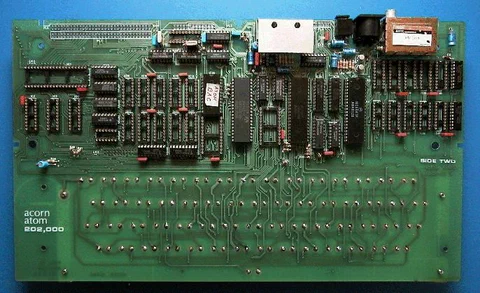
I remember there being around 2000 solder joints. When I had completed them and plugged everything in, it didn’t work. Fault finding was limited to using a cheap Tandy multimeter and I ended up going over every joint again. From then on, I had my own Personal Computer.
The Atom started with 2K of RAM of which half was video memory. Simultaneous use of the static RAM and the video hardware caused breakup on the screen. One of my first modifications was to install a circuit which synchronised RAM access with video access - this solved the video tearing problem but slowed the machine down so it had a physical switch to deselect it - Turbo Mode!
Over the next year or so, I upgraded the RAM to 12K which meant I could produce graphics and my A Level Project was a graphics library which allowed graphs and charts to be drawn. The cheapest form of storage was a cassette recorder, which meant every save and load was fraught with danger of losing everything. We used to use the computer cassettes which were much shorter than the usual C60/90s. This meant 1 cassette per program - much easier to organise.
Sadly, I no longer have the Atom but that machine and the others I had used up until then definitely shaped my future interest in resource limited computing. I never want to use tapes for storage again though.
I got a Saturday job at Currys in Birmingham. Currys had set up a division called Micro-C which sold personal computers and software. It paid very well. I spent most of my time trying to answer the public’s main question: “What would I do with one of these?”. Games was mostly the answer that satisfied. We sold the Atari 400 and 800, Texas TI 99/4A, ZX81, Vic 20, Spectrum, Commodore 64, Oric 1, Dragon 32. We also helped launch an obscure thing called the “IBM PC” in 1981.
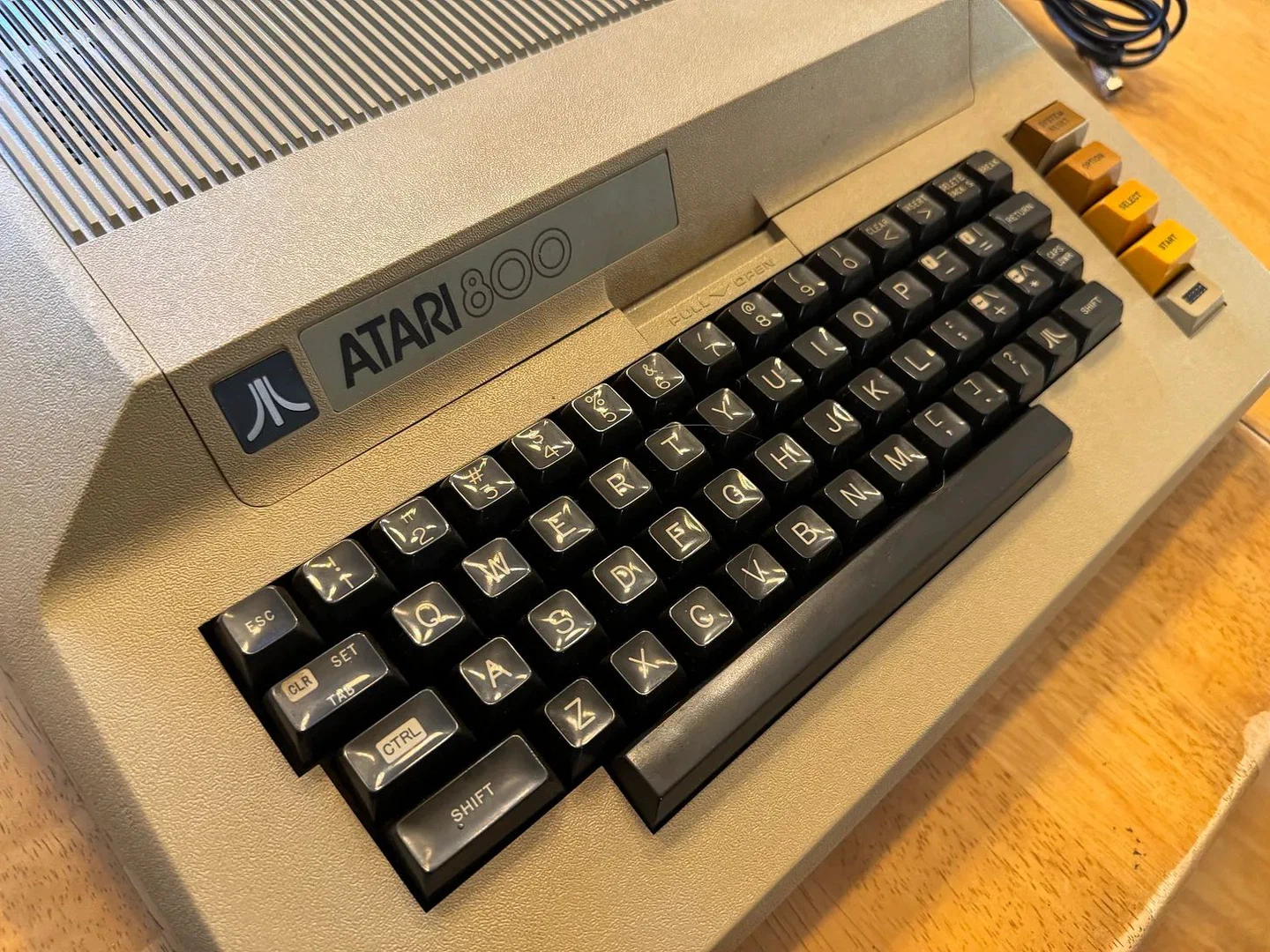
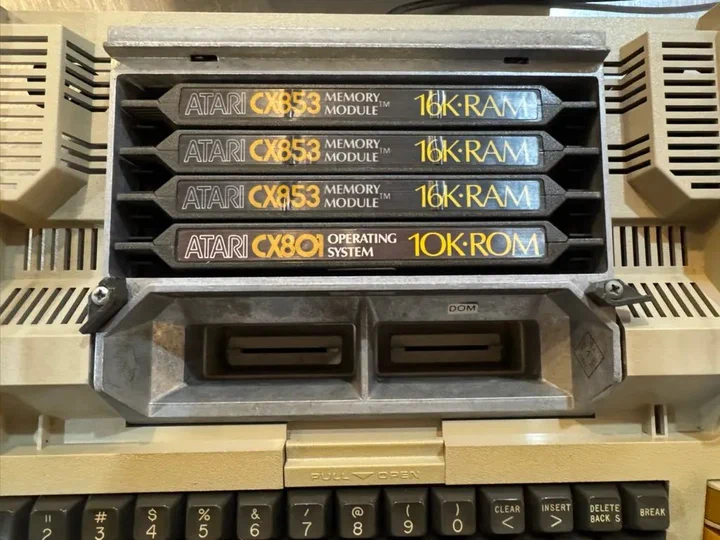
In lieu of payment for representing Micro-C at an event, I got an Atari 800 with 3 16K RAM cartridges and a floppy disk drive. I used this primarily for playing games like Star Raiders. For various reasons, I have never been big on gaming since - except for LAN based DOOM - we’ll get to that.
University
I went to Coventry University to study Computer Science. I kept the Atom and made a drum machine using it during the first year when I lived with a bunch of musicians. I eventually sold the Atari to a friend who spent a lot more time on it than I did. At the start, the course seemed like a step backwards - the main computer was a Harris 800 Mainframe with punch card input and batch processing. We were exposed to COBOL and FORTRAN on that - I wasn’t impressed.
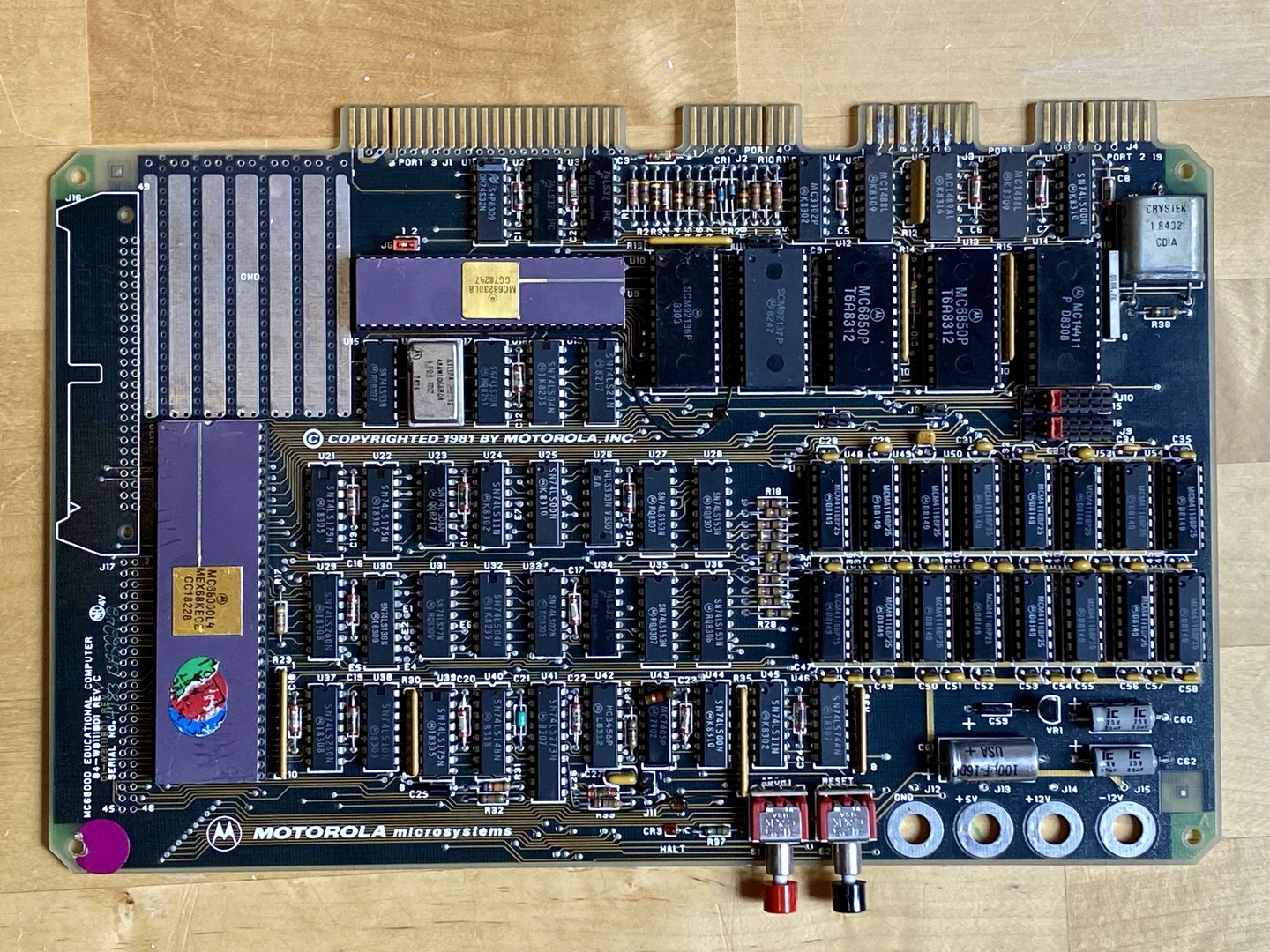
Luckily, we also had 68000 based development systems for hardware courses and a departmental VAX 11/780 running BSD UNIX 4.2 for better software development. I learnt Pascal and C which, of course, meant I could leave BASIC and Assembler behind.
The 3rd year of the course was a year out ‘in industry’ and I ended up working with fellow student Nick for Severn Trent Water Authority (STWA) at Minworth Sewage Works. This was way better than it sounds.
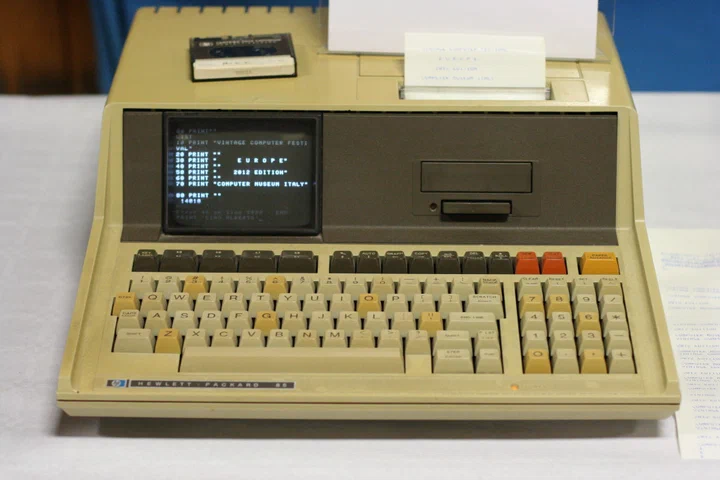
At Severn Trent, we helped develop a water treatment monitoring system which was pretty sophisticated for its time. Flow gauges, pump speeds and all sorts of other measurements were captured by dedicated micro-processor based ’loggers’. These were connected via RS485 to desktop computers - HP85 mainly - The HP85s allowed immediate display of the locally gathered information and operated as a store and forward hub up to ‘Main Control’ where an HP9000 lived. We had local data gathering (Minworth is a huge site) and remote stations at smaller outlying sites. These were connected by Modem to Main Control. We worked on a lot of the communications systems to shuffle the data from logger to HP85 to Main Control. I suspect this is where I got a liking for computer communications generally.
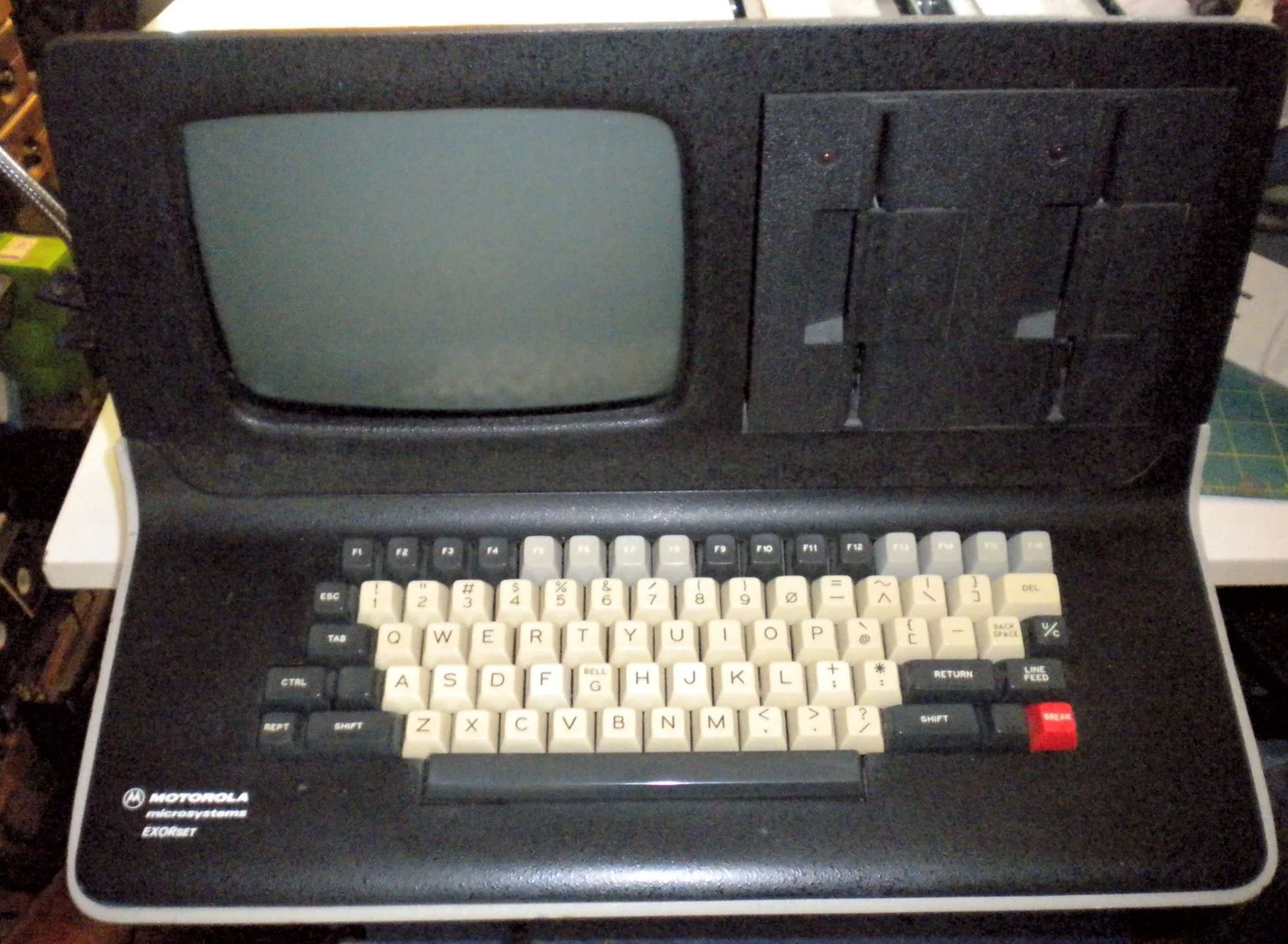
I also worked on the data logger firmware. My memory isn’t clear on who made the logger but I believe they were 6800 based. The firmware was written in assembler and developed on a Motorola Exorset computer which was a 6809. Again, my memory is hazy and I thought the Exorset had dual 8" floppy disk drives. I remember them doing alternating reads and writes and making quite a lot of noise. Most of the examples I can find on the internet seem to have 5¼" floppies though.
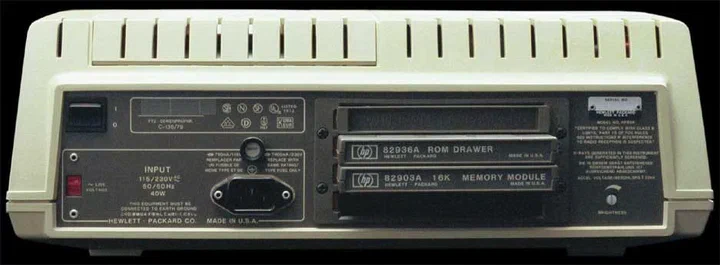
The HP85s were great. They have a small CRT monitor, full sized keyboard, tape drive (proprietary, not cassette) and thermal printer. Ours were fully upgraded with extra RAM, RS485 interface and more ROMs containing HP BASIC. HP BASIC was quite sophisticated for its day with function calls and parameter passing. We did a lot of work on those little machines.
Team Software
We were offered placements during the summer holidays between the end of the sandwich year and the start of the final year. Just before we were about to start that, STWA cut all ‘contractors’ and we were out of a job. Our boss stepped in to get us some work with the Water Industry Training Association (WITA) and we decamped to Coventry to work from home - something that became quite popular later. We even had a name - Team Software - and printed business cards.
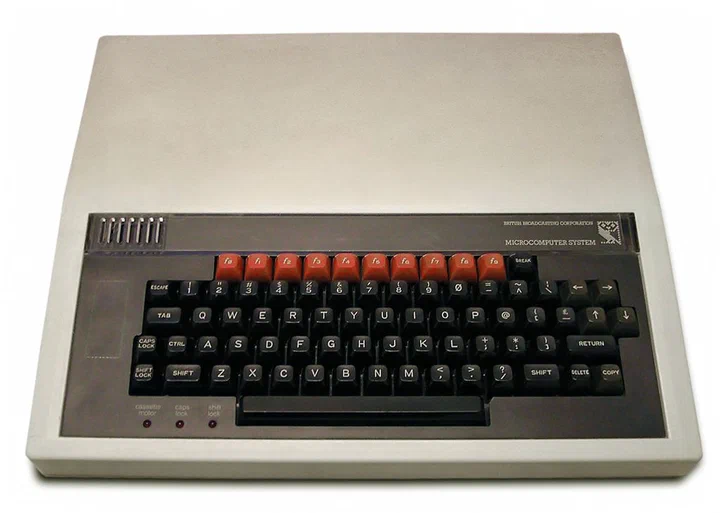
One task we had was to write a practical demonstration of the operation of the serial ports that were becoming ubiquitous in the organisation. For this, we used 2 BBC Micros - one belonged to Nick and the other to WITA. Nick reminds me that we blew the I/O on one of them and his father had to fix it. The BBC was very enjoyable to use and very versatile.
Final Year
In the final year of University, we were back fully immersed in the VAX 11/780 and BSD Unix. Much time was spent writing in C and doing systems programming. My final year project was a Cel Animation System which utilised a PC with an early graphics card. Unfortunately, I do not remember much about that. And I can’t find the project I submitted. It was a very busy time!
Amiga
After leaving university, I ended up working with a friend in London on print related software. The newspaper and publishing industries were being shaken up at this time by the introduction of electronic page layout and typesetting. Desktop Publishing became a well-used term and seemingly everyone was interested in it. Into this came the Amiga with high speed, cool graphics and proper multitasking. As usual, this was out of my price range but my friend and I were lucky enough to go to the UK Developers Conference at the Grand Hotel in Eastbourne and have access to one of the early machines. My friend’s company was ‘in the print’ and they desperately wanted to do something Amiga and Print related.
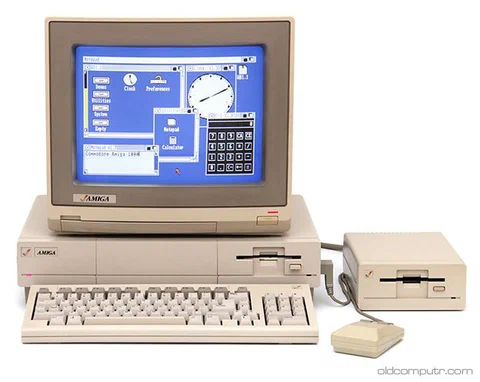
While we did not create the equivalent of photoshop we did have a lot of fun - I remember playing a lot of cool games on the Amiga and I wrote a number of raytracing demos - I just wished I’d known about the demo scene at the time. One ‘product’ to come out of all this was a graphics tablet interface - I don’t remember if we sold any though.
The Amiga was a very cool machine with an excellent software environment. I think it would be the machine I would most likely get if I wanted to take this wander down memory lane to another level. In fact let me list the machines I would own now - in order of desirability - most first.
- Amiga
- BBC Micro
- HP-85
- Atom
- TRS-80
The TRS-80 here is an outlier as I never really used one. The Atom is down the list because it isn’t very capable and I already spent a lot of time with one.
Now, the Amiga was a lot of fun but the job was not really getting me anywhere. Luckily, just as I was contemplating changing, Paul - a university friend - got in touch and asked if I wanted to go and work in Redditch! I didn’t know anything about Redditch so I said yes.
Cirrus Reynolds
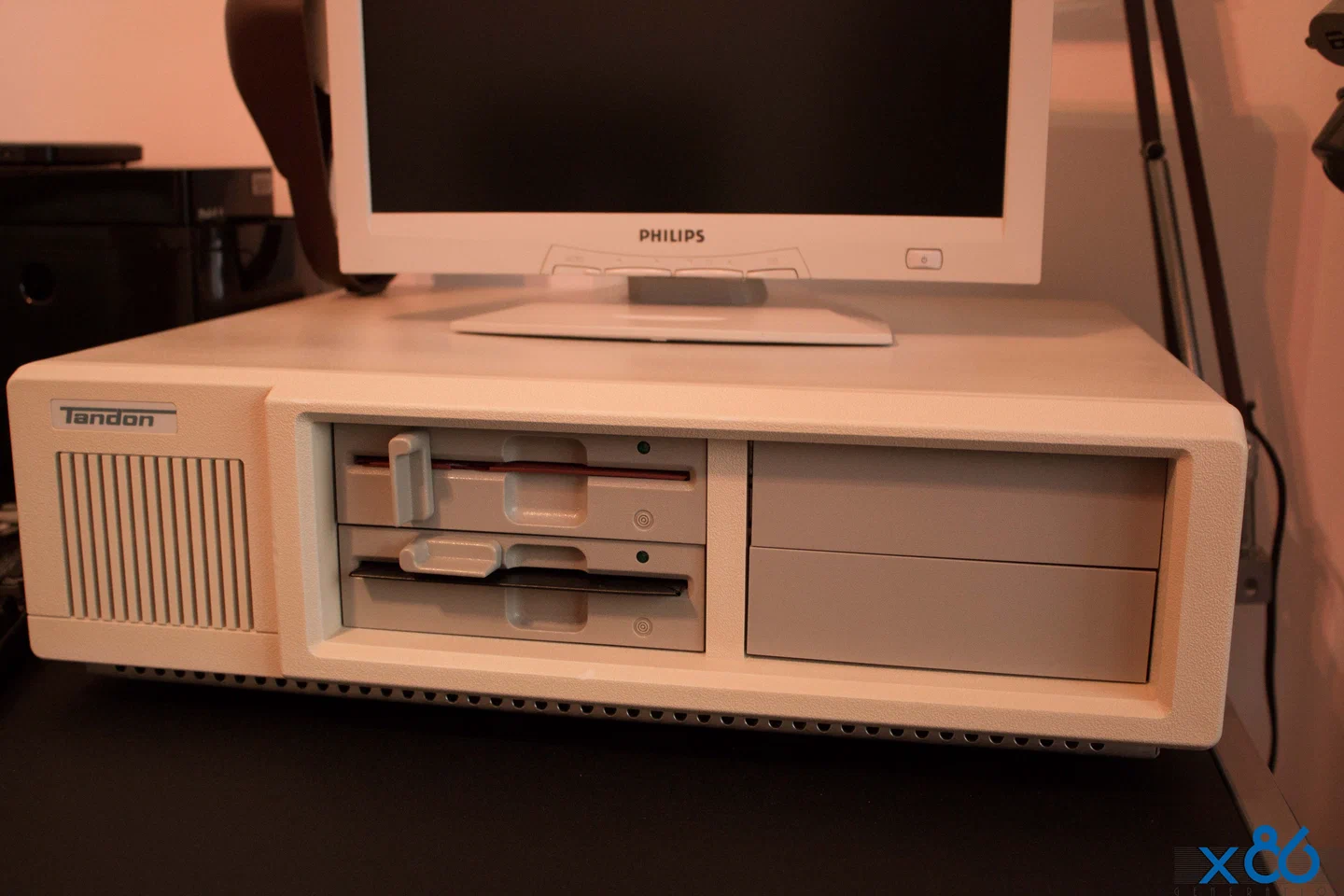
Cirrus was an engineering company in Redditch. It did a lot of work for the motor industry. A typical product was a tyre fitting and balancing machine that could fit, inflate, and balance a wheel and tyre in a few seconds. Cirrus Reynolds was an offshoot company making monitoring and test equipment. I worked on ABS brake testing systems, production line information displays, and engine test bays. This was the first time I used the IBM PC - or rather a clone of the PC - Cirrus used Tandon computers which were made nearby. The Tandon pictured would have been an 8086 or 80286 using floppy disks and later hard disks - I think at one point we had only 1 or 2 hard drives between us. Borland’s Turbo Pascal was the programming language of choice. This was actually very productive for its time. One project I worked on needed a large colour monitor and we used one of the early graphics cards - I remember it was an eye watering price - nothing changes really!
To be continued…